AppLovin vs Meta Ads: Different Attention Environments, Not Replacements
Meta competes inside a continuous feed. AppLovin builds a fullscreen sequence in mobile games. See why ecommerce brands need different creative and post-click journeys.
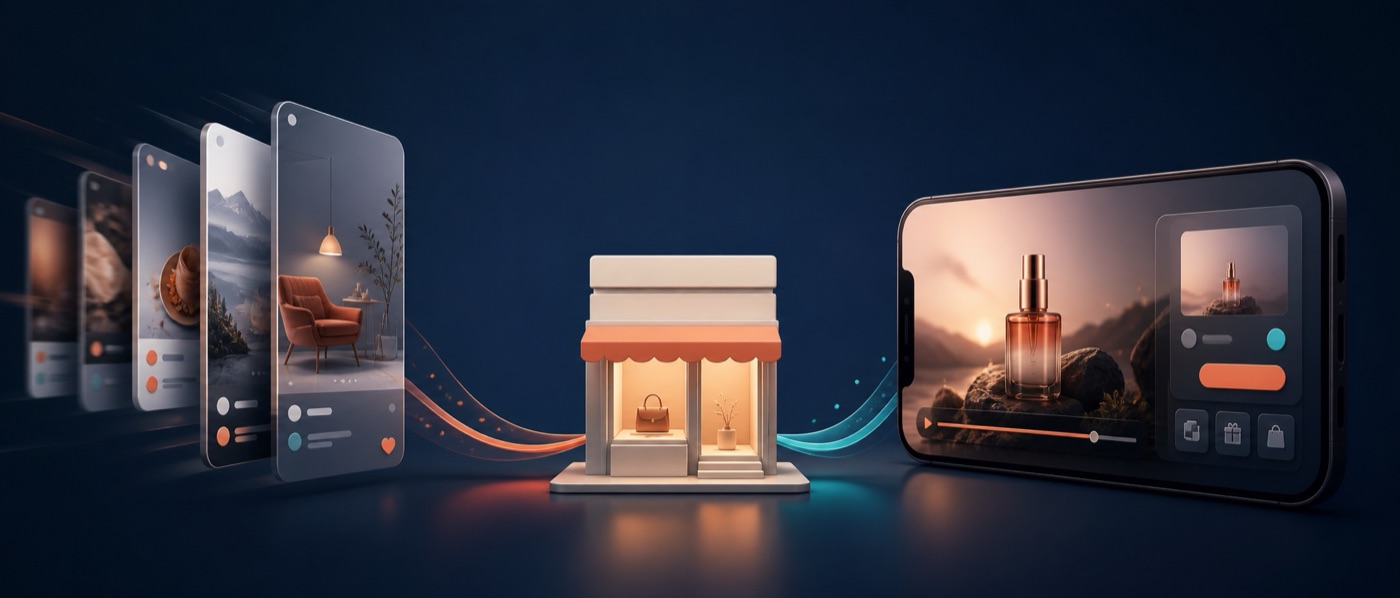
As more ecommerce brands begin testing AppLovin, one question keeps coming up: Will AppLovin replace Meta Ads?
Our view is that both platforms can optimize toward purchases, revenue, or acquisition cost. They may reach overlapping types of consumers, but they meet those consumers during different activities and in different attention environments.
AppLovin vs Meta Ads is therefore not a question of replacement. It is a question of how a brand should design its creative and conversion journey for two different advertising contexts.
Similar consumers, different attention environments
For ecommerce advertisers, the first difference between Meta and AppLovin is not which audience has more spending power. It is what the customer is doing when the ad appears.
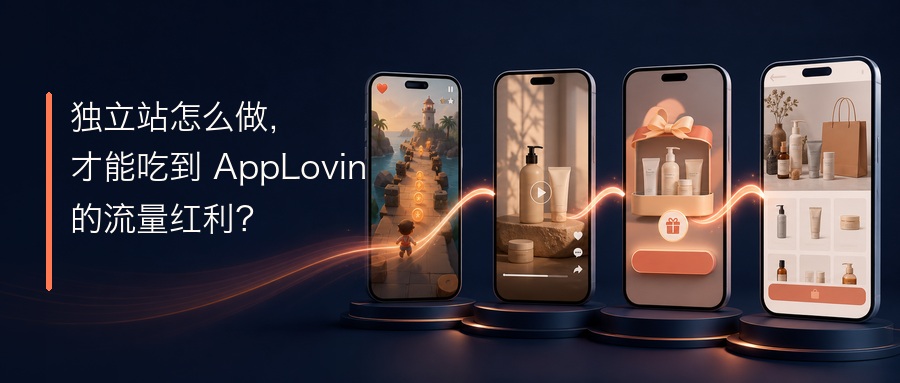
On Meta, a customer may be moving through Feed, Stories, or Reels. The ad has to earn a pause inside a continuous stream of content. AppLovin web ads appear primarily inside mobile games and use a more concentrated sequence: fullscreen video, an Interactive Page, and a Dynamic Catalog.
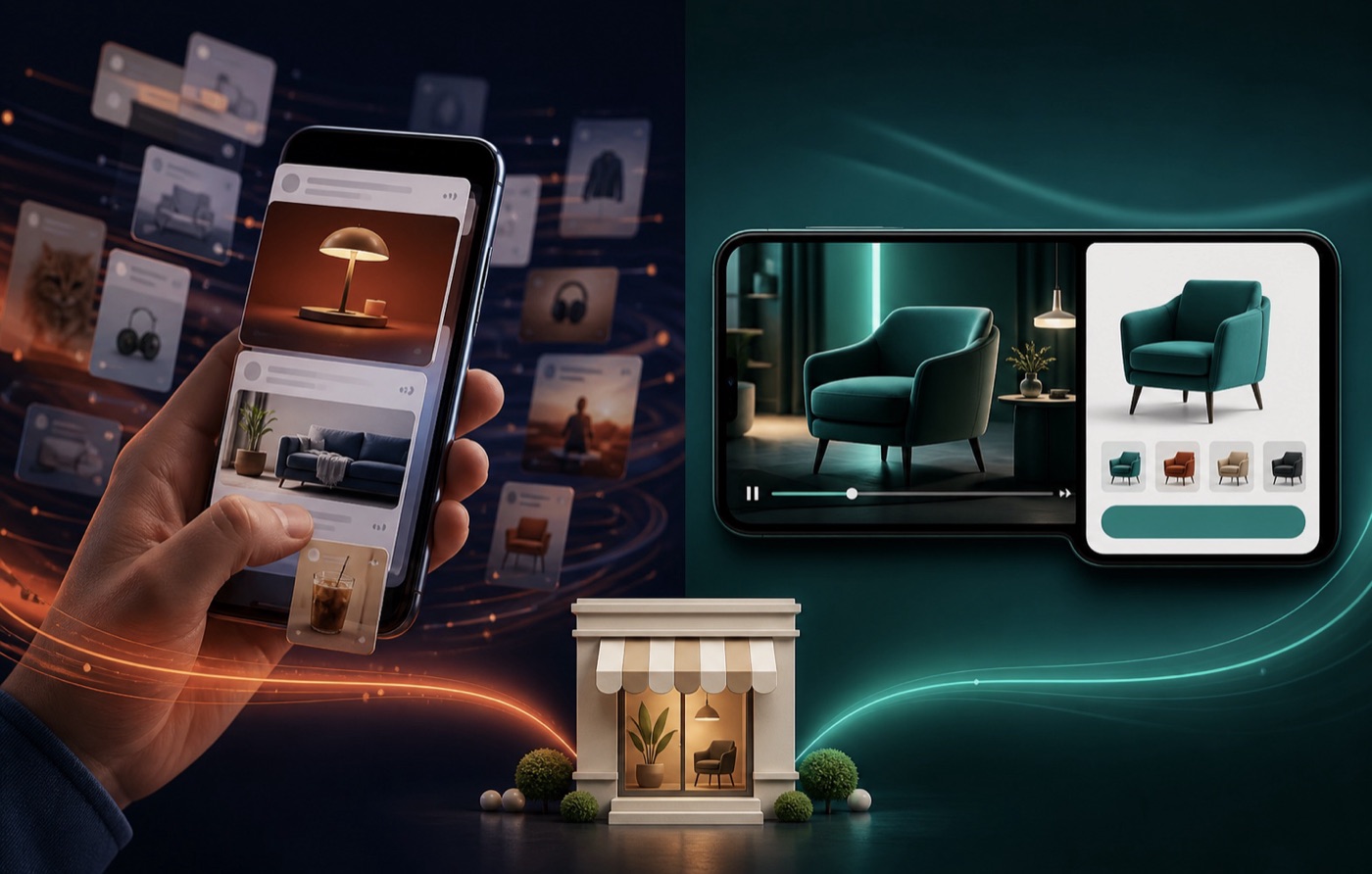
The same store enters two attention environments, so the creative cannot unfold in exactly the same way.
Meta usually competes for attention inside continuous content browsing. AppLovin uses a fullscreen game environment to build a more complete product presentation. That does not make one audience inherently more valuable. It changes how the message develops and what the customer needs after the click.
“AppLovin only works for low-AOV products” misreads the channel
AppLovin grew out of mobile-app and game advertising, and ecommerce advertisers entered the environment later. Early tests often favored products with short decision cycles and direct promotional messages. Over time, that pattern hardened into a belief that AppLovin only works for low-AOV products.
The mobile-game inventory described by AppLovin spans puzzle, casual, action, card, and other categories. In a Kantar study commissioned by AppLovin, U.S. mobile gamers broadly resembled the adult population across age, gender, income, education, and geography. They included parents, professionals, homeowners, and active online shoppers.
That platform-commissioned research cannot replace an advertiser's own campaign test. It does show why traffic coming from games is not, by itself, evidence that the audience cannot buy higher-AOV products.
The low-AOV label is better understood as an early-channel stereotype than as an operating rule.
The more common constraint is that ecommerce teams are still learning the AppLovin ad journey, especially how the post-video Interactive Page should connect with the brand landing page.
Meta creative should not be uploaded unchanged
A common mistake with a new channel is to copy the Meta creative, product page, and attribution assumptions into AppLovin, then use the first results to conclude either that AppLovin is unsuitable or that it should replace Meta.
AppLovin itself lists repurposing social ads without adapting them as a common error. A product, value proposition, or creative hook that already worked on Meta can still be useful. The pacing, information density, and post-click journey need to be reorganized for AppLovin's fullscreen environment.
A typical AppLovin web-ad journey can be understood as:
Vertical video -> Interactive Page -> Dynamic Catalog -> ecommerce landing page
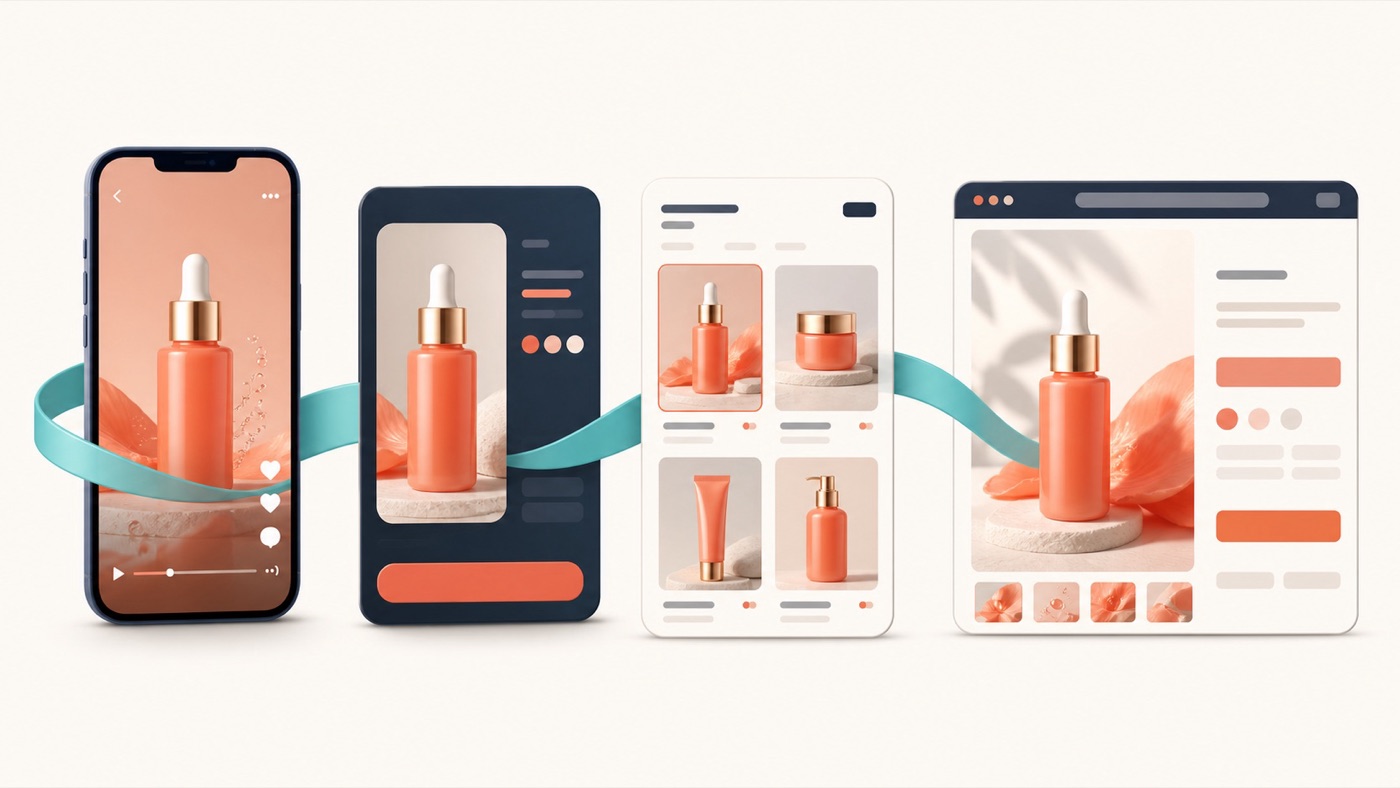
The product, value proposition, and promotion need to remain consistent across the journey.
The video establishes interest. The Interactive Page reinforces the product, offer, and reason to act while the customer is still inside the ad. The Dynamic Catalog can surface additional relevant products. The brand website then handles product detail, trust, and purchase.
The sequence works only when each stage carries the same product, benefit, and promotion. If the video features product A and a limited offer, the Interactive Page falls back to a generic logo, and the click opens a homepage where the customer has to search again, the interest built earlier can disappear across those transitions. That is not necessarily a traffic-quality problem. It is a break in message continuity.
Our guide to AppLovin Interactive Pages explains the post-video step in detail. For a broader operating view, read how ecommerce teams can adapt AppLovin video, offers, and landing pages.
That is also why Meta and AppLovin should not be judged only through CPM, CPC, or the ROAS reported in each dashboard. The platform distributes traffic, but the revenue created from that traffic also depends on what happens after the click.
The operating journey should still work as one system
Both Meta and AppLovin ultimately send the customer to the same owned destination: the brand's ecommerce store.
Regardless of the traffic source, the business still needs to answer three questions:
- What experience receives the customer after the click?
- How does the brand continue the conversation if the first visit does not produce a purchase?
- How do the product and offer remain consistent across the rest of the journey?
Fintouch currently provides two products across these stages:
- Boost carries ad traffic into a video landing-page experience that continues the product story established by the creative and is designed to support conversion and order value;
- Stream is a ready-to-run email revenue solution for welcome, browse, cart, post-purchase, and other lifecycle communication.
Neither product is limited to AppLovin. They address the post-click and follow-up journey that every paid traffic source creates. What changes between Meta and AppLovin is how the message, sequence, and trigger strategy should be designed for each attention environment.
Final thought
AppLovin and Meta are not a binary choice. They are two ways to reach potentially overlapping consumers in different moments of attention. The useful question is whether the brand understands those differences and can connect creative, post-click experience, and follow-up into one operating journey.
Founded in 2019, Fintouch has a team of more than 40 people and has served over 10,000 ecommerce stores with revenue-growth solutions.
If you are considering AppLovin, use five practical checks to decide whether the channel fits your ecommerce store. If you want a stronger journey after the ad click, follow Fintouch for more practical guidance.
Sources: AppLovin's Ad Format, Why advertise on AppLovin, Optimizing your campaign, and The high-value mobile gaming consumer, plus Meta for Business's Instagram & Facebook Reels Ads. The Kantar study was commissioned by AppLovin and cannot replace an advertiser's own tests. Dynamic Catalog availability and sequence depend on campaign configuration.