Is Your Ecommerce Email Marketing Really Working? 5 Questions to Check
Audit email capture, behavior tracking, conversion recovery, campaign feedback, and inactive-subscriber engagement to see whether your email operating cycle truly works.
Many ecommerce teams install an email app, see that the subscription pop-up is active, and send a campaign every week. It is easy to conclude that email marketing is already in place. But active features do not necessarily add up to a working email system.
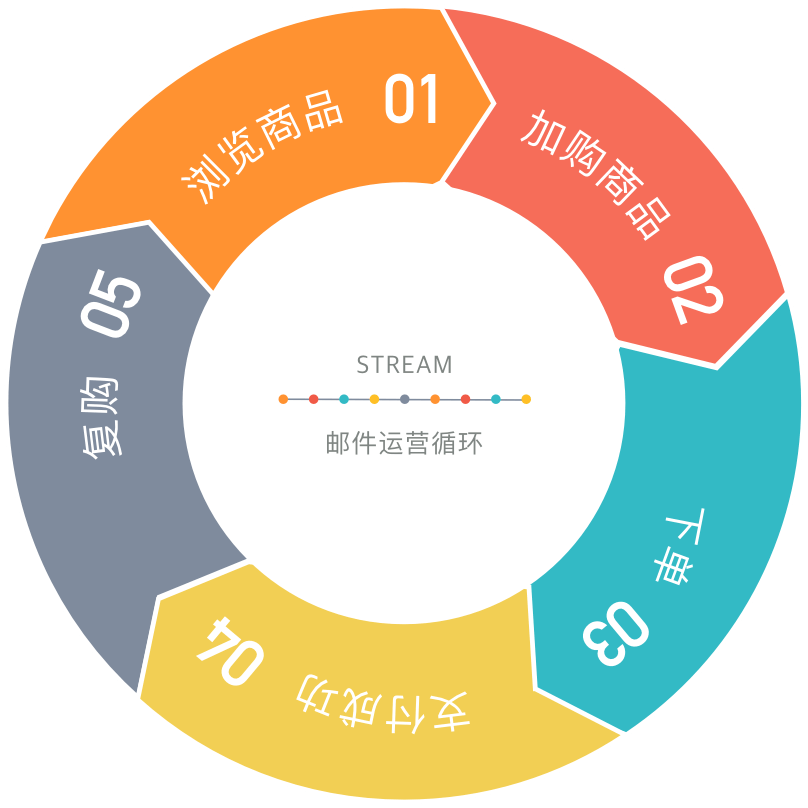
The real question is whether email capture, shopping behavior, timely conversion recovery, status updates, ongoing engagement, and regular review connect into one operating cycle that can keep running.
The five questions below each test a point where that cycle often breaks.
Are you capturing enough visitor emails before paid traffic leaves?
Advertising brings people to the store, but most visitors will not buy on their first visit. If you do not collect an email at the right moment, you can only wait for the visitor to return or pay for another chance to reach them through advertising.
A common pattern looks reassuring at first: the home-page pop-up is active, perhaps collecting emails from around 3% of visitors, so the team assumes subscriber acquisition is covered. In practice, the setup may still be weak. A visitor is asked for an email before they have understood the product, so the pop-up is closed. Later, after the same visitor views several products, adds an item to the cart, or prepares to leave, there is no new opt-in moment that matches their intent.
What should you inspect?
- Do opt-in touchpoints cover first visits, deeper browsing, and cart activity instead of relying on one generic home-page pop-up?
- Can the same visitor see repeated requests during one session?
- Is there a reasonable cooldown after the visitor closes the request?
- Do existing subscribers still see requests to subscribe?
- Does the mobile pop-up block the main shopping controls?
The point of a subscription pop-up system is to follow the customer journey, recognize important moments, and respond to what the visitor needs at that point. If this stage is unclear, start by redesigning your email opt-in touchpoints.
Do you know where each customer is in the purchase journey?
An email system should know more than the fact that someone subscribed. It should continue to understand what the person viewed, whether they added a product to the cart, whether they started checkout, and whether they eventually purchased. When these behaviors are split across tools and static lists, the team cannot reliably tell what stage the customer is in.
Common breaks include product views, cart events, and checkout activity remaining inside an analytics tool while the email system can see only the subscription and email opens. A recent buyer may still remain in an "added to cart but did not purchase" audience. New views and cart events created by a campaign click may not be recognized at all.
What should you inspect?
- Can product views, cart activity, checkout, and purchases be recorded continuously against the same subscriber?
- Can those behaviors trigger the appropriate email automatically without a manual audience export?
- After a purchase, does the system know the customer is no longer in a non-purchaser state?
- Can new on-site behavior created by a campaign be recognized and evaluated again?
Where the customer journey data breaks, conversion recovery breaks with it.
Can email step in when the customer stops progressing?
A product view without a cart, a cart without checkout, and a checkout without payment each represent unfinished purchase intent. Email creates value by responding before attention disappears and helping the customer return to the original journey.
Teams can mistake activity for coverage. One abandoned-cart flow is running, the system shows messages being sent, and conversion recovery appears complete. In reality, only cart abandonment may be covered, while browse abandonment and incomplete checkout have no corresponding strategy.
What should you inspect?
- Are follow-up strategies separated according to actual browse, cart, and checkout behavior?
- Does each email help the customer take the next step instead of simply repeating the same product? Do recommendations include relevant additional products?
- After a recovery email is sent, what happens to clicks, carts, and purchases?
Timely recovery does not mean sending as fast as possible. It means offering useful help while purchase intent is still warm. For a closer look at timing and behavior strategy, read How to Maximize Ecommerce Conversion Recovery.
Does new behavior from a campaign feed back into conversion recovery?
Many teams treat a campaign as the endpoint. They choose an audience, prepare the content, send the message, and consider the task finished. The deeper value of a campaign depends on whether the product views, carts, and checkouts it creates enter the next round of evaluation.
Another reassuring but incomplete signal is a campaign with healthy opens and clicks. A subscriber may click, view a product, and add it to the cart without receiving any follow-up based on that new behavior. Campaigns and automations are treated as separate systems, so campaign traffic never returns to the customer journey record.
What should you inspect?
- Can views, carts, and checkout activity created by a campaign be recognized and trigger the appropriate recovery strategy?
- Are campaign audiences built from current purchase, engagement, and inactivity states, or does the team repeatedly send to a fixed list?
- After a campaign ends, can the system continue tracking customer behavior over the following days?
A campaign is not an isolated action. It should be one part of the full email operating cycle.
Are inactive subscribers still being managed as a long-term audience?
A subscriber base keeps growing, but many people gradually enter a period of low demand. They stop returning to the store and stop opening emails. If the team focuses only on immediate orders, those customer relationships quickly become sunk acquisition cost.
It is easy to send inactive subscribers a few "come back" or discount emails, see no response, and give up. Effective reactivation is not the same as sending more discounts to everyone. It uses the subscriber's latest status, relevant products, campaigns, and content to test different themes and product combinations. Silence does not always mean permanent loss, but reactivation is not solved by adding a few more promotional emails. Subscribers have a chance to return to the purchase journey only when content and cadence adapt to their current state and the team keeps reviewing the result.
Conclusion
These five questions are not separate checks. They ask whether the store has connected email capture, behavior recognition, timely conversion recovery, segmented campaigns, and inactive-subscriber engagement into one system that can keep operating and improving. Only when that cycle works does email marketing move beyond "the feature is active" and become a sustainable operating capability.
This is the problem Stream is designed to solve.
Stream is a ready-to-run email revenue solution for ecommerce sellers. It brings together a customer-journey subscription system, 14 behavior-triggered strategies, intelligent audience segmentation, and fully automated AI campaigns. The goal is not to ask sellers to learn another blank tool. It is to help a working email revenue system begin operating sooner.
Within that system, opt-in touchpoints adapt as customers move from first visit to product view and cart activity. Browse, cart, checkout, and purchase states remain connected. Recovery begins when it is useful, and buyers exit flows that are no longer relevant. New behavior from a campaign enters the next evaluation cycle, while inactive subscribers continue to be managed according to their latest state. Even when the team gets busy, the system can keep operating and preserve results that can be reviewed.
Leave the complexity to Stream so ecommerce sellers can focus on products, traffic acquisition, and the business itself. To understand the product philosophy and capability structure behind this system, read What Core Value Does Stream Deliver to Ecommerce Sellers?.