Where Do AppLovin Ads Appear? Interstitial vs Rewarded Video
Learn why AppLovin ads appear between levels or in exchange for in-game rewards, how interstitial and rewarded placements differ, and what each means for ecommerce creative.
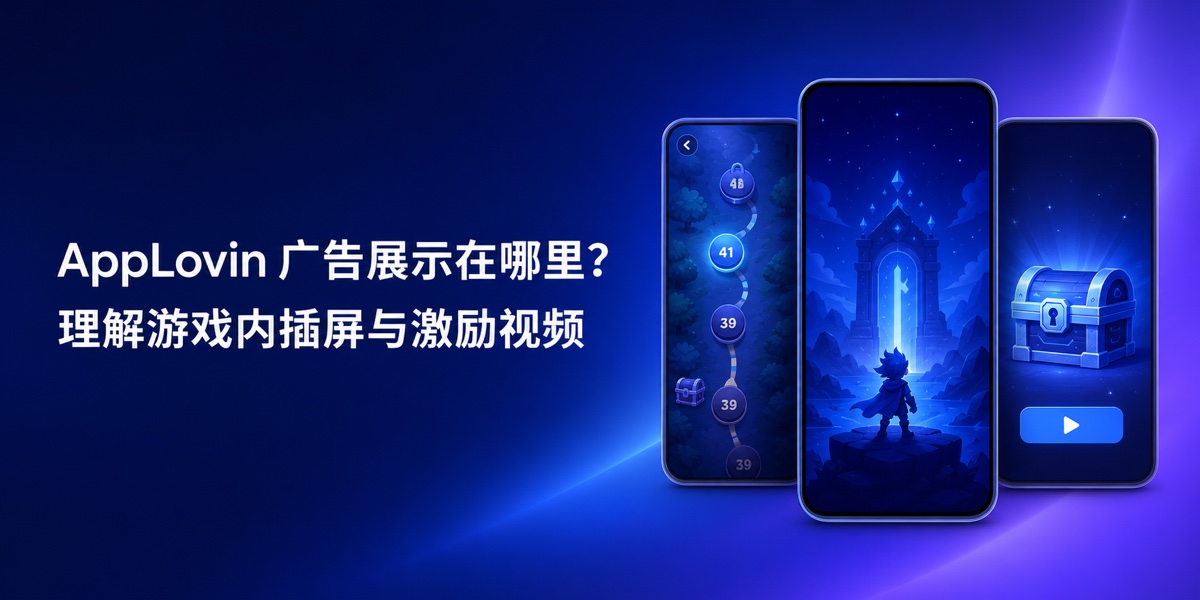
More ecommerce sellers are paying attention to AppLovin. Unlike Meta ads, which primarily compete inside social feeds, AppLovin ads appear mainly inside mobile games and apps. Two of the most common placements are interstitial ads and rewarded video ads.
If your team is testing AppLovin, or preparing to test it, understanding why a player sees each format is the starting point for better creative and a stronger post-click journey.
Where do AppLovin ads appear?
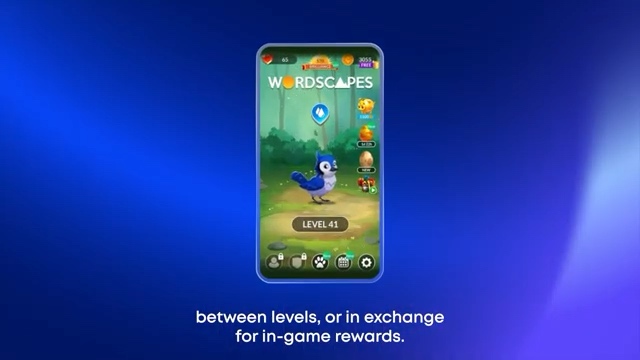
AppLovin reaches users across a large network of mobile games and apps. In games, ads most often appear at two moments.
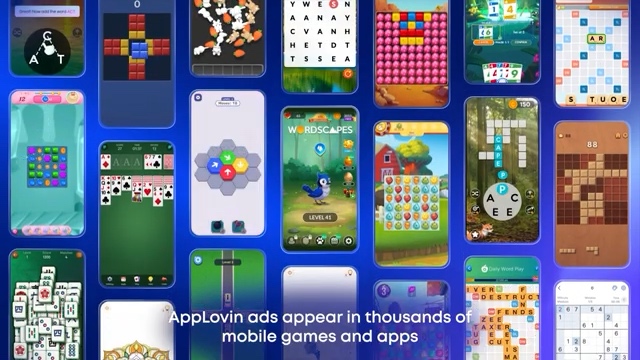
Source: AppLovin Ads Ad Formats overview video.
The first moment is a natural break in gameplay, such as the end of a round, completion of a level, return to the main screen, or transition into the next level. This is usually an interstitial placement.
The second moment is when a player wants coins, an item, an extra life, or another chance to continue. The player chooses to watch an ad in exchange for the in-game reward. This is a rewarded video placement.
Both formats may occupy the full mobile screen, but the reason for viewing is different. Interstitial ads appear during a transition. Rewarded videos are tied to a reward the player has actively chosen to pursue.
Source: AppLovin Ads Ad Formats overview video.
Interstitial ads compete for attention during a pause
Interstitial ads usually appear between two parts of the game. The player has just completed one action and has not yet begun the next, so the ad takes over the screen during that pause.
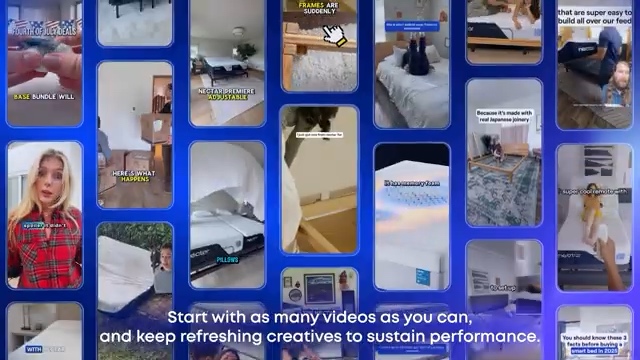
The format provides a complete visual canvas, but the creative still needs to answer three questions quickly: What is the product? What problem does it solve? Why should the viewer keep watching or click?
Show the product early. The opening can present a use case, pain point, or before-and-after comparison. The rest of the video can explain how the product works, add proof, and introduce the offer. A single clear purchase reason is usually more useful than giving every benefit equal weight.
Source: AppLovin Ads Ad Formats overview video.
Rewarded video earns viewing time through an incentive
Rewarded video has a different viewing logic. A player actively chooses to watch because they want an in-game benefit. Their initial motivation is the reward, not necessarily the product, but the mechanism can give a brand enough time to make a complete case.
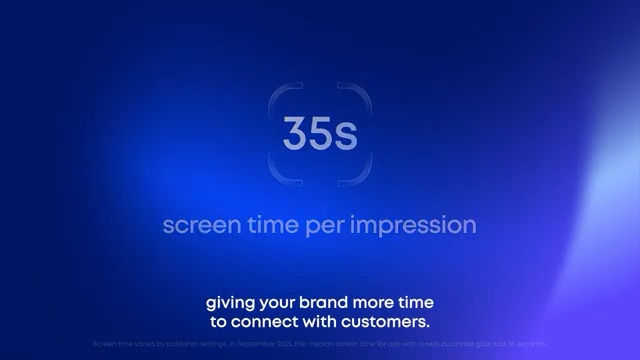
AppLovin reports a median watch time of 35 seconds across the full ad experience. Its creative guidance recommends prioritizing videos longer than 30 seconds, while a rewarded video can play through its full duration, up to 60 seconds. This is a meaningful storytelling window, not a rule that every video must be exactly 35 seconds long.
Source: AppLovin Ads Ad Formats overview video.
Our guide to AppLovin creative and landing-page strategy explains two priorities for using that time well:
First, restore the story.
An interstitial is unskippable for at least five seconds. Once a rewarded video begins, it can play for up to 60 seconds. The opening earns attention; the remaining time should explain the product, establish value, and give the viewer a reason to act.
Second, test gift-with-purchase offers.
AppLovin found that roughly 40% of the top videos it reviewed included some kind of promotion, including percentage or fixed discounts, free shipping, buy-one-get-one offers, and a free product or service with purchase.
The point is not simply to display a discount. The offer should belong to the story. It can provide the opening hook or close the argument after the product value is clear, but the content and offer need to connect.
In our campaign tests, gift-with-purchase and free-gift mechanics deserve early consideration. Results still depend on the product, strength of the offer, and the experience after the click.
The viewer may encounter more than a video
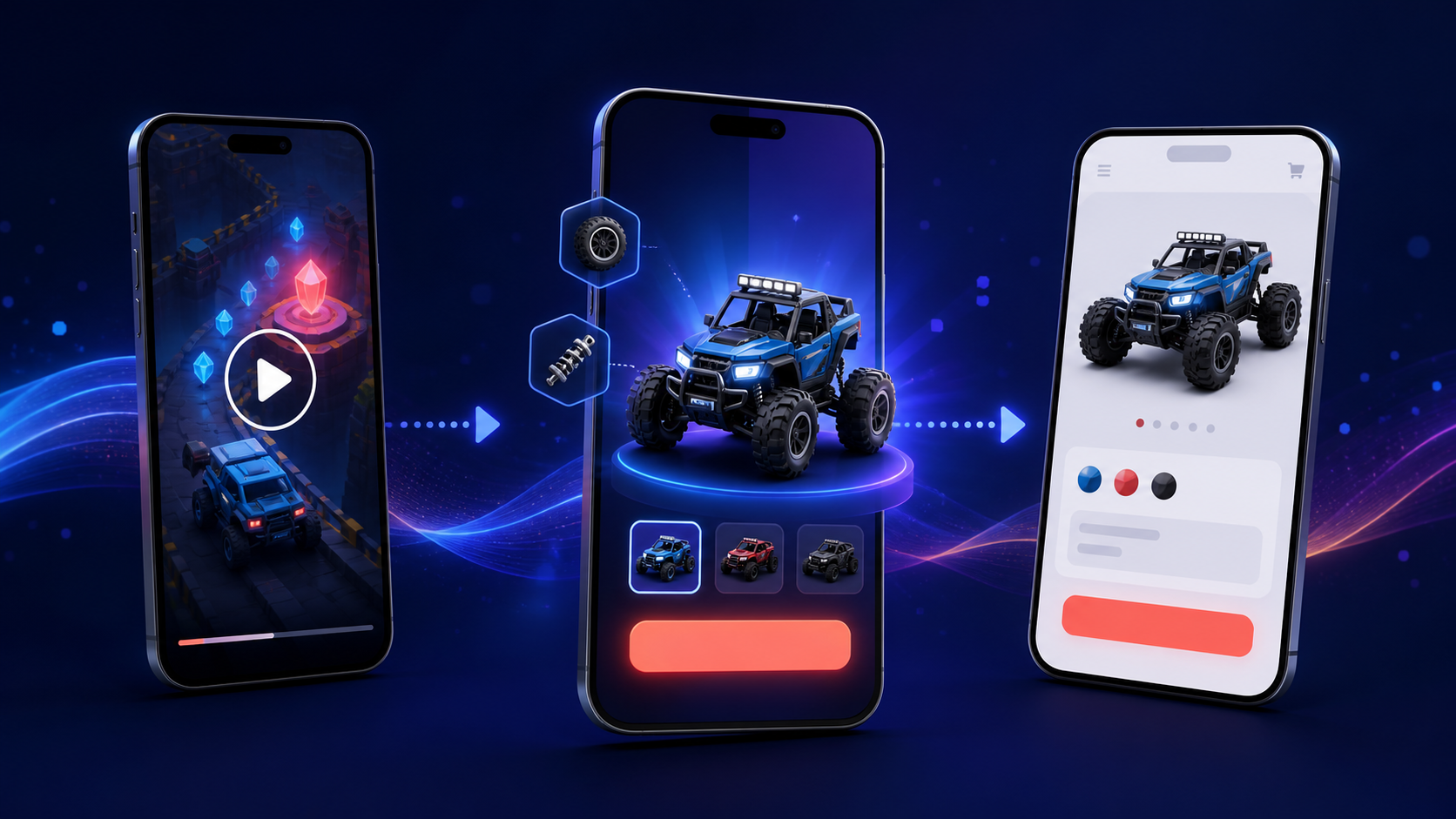
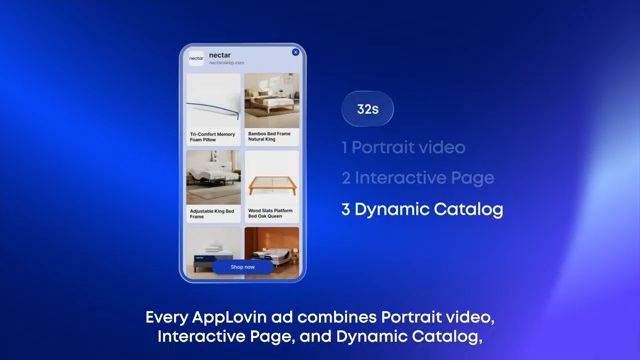
For ecommerce, the AppLovin journey can be understood as: portrait video → Interactive Page → optional Dynamic Catalog → ecommerce store.
Source: AppLovin Ads Ad Formats overview video.
The video earns attention and introduces the product. The Interactive Page reinforces the benefit, offer, and reason to act. Dynamic Catalog can surface additional relevant products. Only after the click does the user enter the brand's ecommerce site.
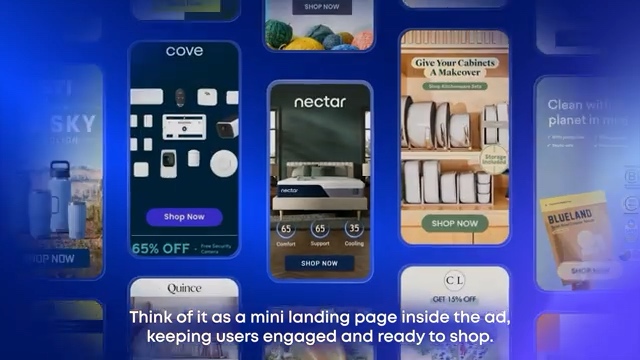
Source: AppLovin Ads Ad Formats overview video. The Interactive Page acts as a lightweight landing page inside the ad.
If your team still treats the Interactive Page, end card, and store landing page as interchangeable, read our guide to AppLovin Interactive Pages. It explains the responsibility of each component and how they should connect.
In practice, many ecommerce sellers bring Facebook creative and landing pages into AppLovin without adapting them. The result often feels disconnected from the viewing environment. Creative, offers, and landing pages need to be reorganized for AppLovin, not simply resized.
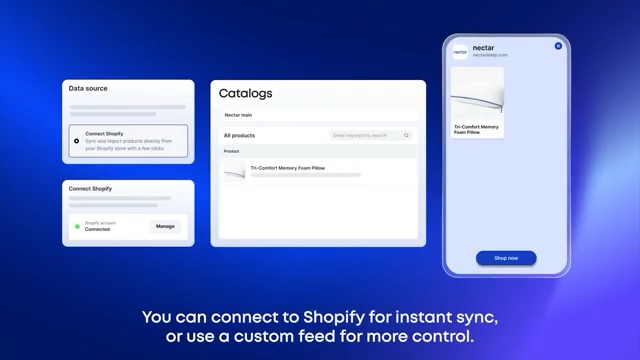
Source: AppLovin Ads Ad Formats overview video.
Many sellers are still unfamiliar with AppLovin's video format and do not know how to preserve that interest after the click. That is why we built Boost. Its video landing-page experience continues the product, core benefit, and promotion introduced by the ad, so shoppers do not have to restart their search or reinterpret the offer when they reach the store.
A gaming environment does not mean low-value traffic
It is easy to assume that people playing games only want entertainment and therefore will not buy ecommerce products. Our campaign experience does not support that assumption. AppLovin advertisers in our customer base include both single-product offers and multi-product apparel stores. In the latter segment, we have observed average order values reaching $70 to $100.
That observation is not a promise for every account. It does show why a gaming environment should not be treated as evidence of weak purchasing power. For ecommerce sellers, AppLovin is now a clear opportunity worth serious testing. The practical question is whether the creative and post-click experience match this fullscreen, reward-driven attention environment.
About Fintouch
Founded in 2019, Fintouch focuses on revenue growth solutions for ecommerce sellers and has served more than 10,000 stores.
Sources: AppLovin's Ad Format, Why advertise on AppLovin, Creative quick start guide, and Video best practices.